
Scholarship guide · Reviewed September 2026
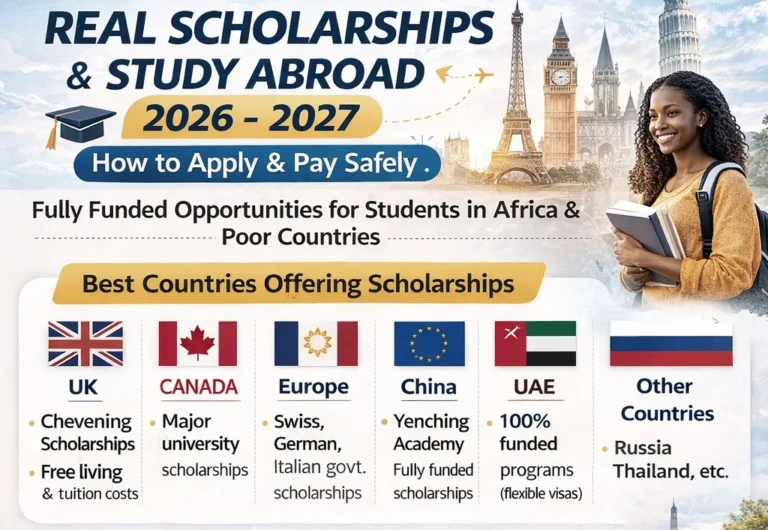
The best scholarship list is not the longest one. It is the one that tells you which programs are real, who they are for, what they can fund, and whether the current application window is open. This guide focuses on official scholarship programs with 2026 or 2027 dates you can verify yourself.
Choose by study level, not by a “fully funded” headline
Start with a program that matches your degree level and country. Then check the real deadline, funding, eligibility and application route.
2Erasmus MundusJoint master’s programmes opening for 2027 study.
3DAAD GermanyMultiple programs with country and course-specific deadlines.
4Monash RaydonGraduate research top-up closing 31 October.
5Prepare a strong fileTranscripts, courses, work history, research and references.
6Avoid scholarship scamsVerify the deadline and application site before paying.
Quick scholarship calendar for September 2026
Scholarship deadlines can be different by country, course and academic year. Always open the official page and check the deadline shown for your application—not a date copied from another website.
1. Chevening Scholarships 2027–2028 — applications are open
Chevening is the UK Government’s international scholarship program for eligible one-year taught master’s degrees in the United Kingdom.
The official 2027–2028 application window opened on 4 August 2026 and closes on 6 October 2026 at 11:00 UTC.
What can Chevening cover?
A full Chevening Scholarship normally includes:
- university tuition fees;
- economy travel to and from your country of residence;
- an arrival allowance;
- the cost of one visa application;
- a departure allowance;
- a contribution toward TB testing when required;
- a monthly living stipend;
- other program-related allowances according to the award terms.
Basic eligibility to check first
Chevening says applicants must meet all eligibility rules. These include citizenship/residence requirements for an eligible award, an undergraduate degree suitable for UK master’s admission, and at least 2,800 hours of work experience after completing the undergraduate degree.
Scholars also commit to returning to their country of award for at least two years after the scholarship ends.
The return-home condition is part of the scholarship. Read it before applying if your main goal is long-term immigration rather than the funded master’s degree.
What happens after 6 October?
Eligible applications are assessed, interview shortlists are expected in mid-February 2027, interviews run in March and April, results begin from mid-June, and successful scholars begin study in September or October 2027.
2. Erasmus Mundus Joint Masters — new 2027 programs are coming
Erasmus Mundus Joint Masters are international master’s programs delivered by groups of universities. Students from around the world can apply.
Full scholarships can be available for top-ranked students. The EU says these scholarships can cover participation costs and contribute to travel, visa costs and a living allowance.
In July 2026, Erasmus+ announced 37 newly selected Erasmus Mundus Joint Masters. The EU says these new programs will be added to the catalogue and are expected to open for student applications in autumn 2026 for programs beginning in September 2027.
When should you apply?
Erasmus+ says most student applications are submitted between October and January for courses starting in the following academic year. There is no one student deadline for every Erasmus Mundus master’s program.
You apply directly to the institution or consortium running the master. Each program website gives its own eligibility rules, documents and scholarship deadline.
What can you study?
Programs change each year. Newly selected 2026 examples include medical image analysis, semiconductor technology, artificial intelligence, chemical nano-engineering, animation, law and data, infectious diseases, environmental remediation and other fields.
Use the official catalogue rather than a third-party “Erasmus scholarship list.”
3. DAAD scholarships in Germany — check your country and program
The German Academic Exchange Service (DAAD) runs a large official scholarship database for international students, graduates, doctoral candidates, postdoctoral researchers and academics.
DAAD is not one scholarship with one deadline. The correct program depends on your country, academic level and subject.
Examples of current 2026 deadlines
The DAAD database currently shows different closing dates depending on the award and country. Examples visible in the 2026 database include dates such as:
- 24 September 2026 for selected programs and applicant countries;
- 30 September 2026 for some doctoral opportunities;
- 15 October 2026 for selected postgraduate study scholarships;
- November 2026 dates for some research programs and applicant countries.
These examples do not apply to every applicant. Enter your own country in the DAAD database and open the exact scholarship detail page.
DAAD EPOS
DAAD’s Development-Related Postgraduate Courses (EPOS) support selected postgraduate programs for graduates from developing and newly industrialised countries. The application deadline depends on the chosen course, so there is no single EPOS deadline that is correct for every program.
4. Monash Raydon Graduate Research Scholarships — 31 October
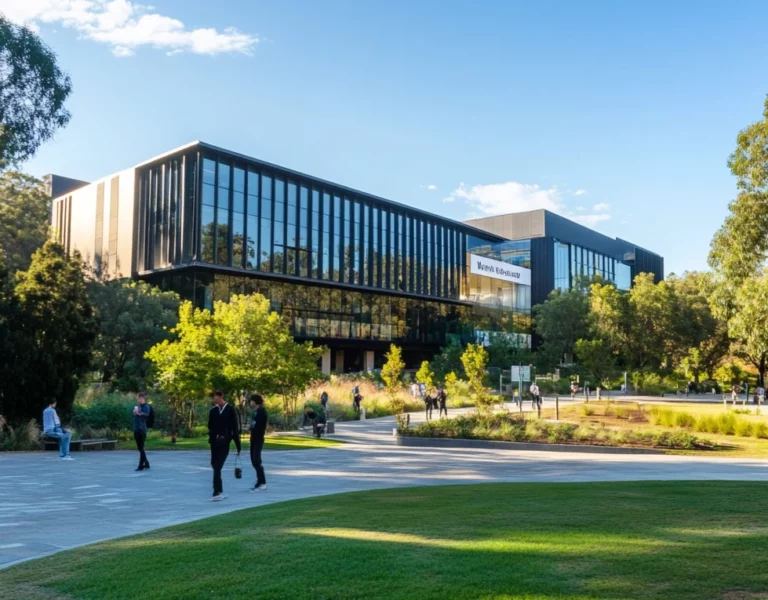
For research applicants considering Australia, Monash University’s Raydon Graduate Research Scholarships are currently listed as live.
The scholarship is a top-up for eligible graduate research students in relevant Humanities and Social Sciences areas. The published 2026 top-up value is AUD 23,837 per year, and Monash offers six Raydon scholarships each year.
The scholarship closes 31 October each year and is awarded through the 31 October graduate research scholarship round.
International students can be eligible. Monash says eligible graduate research scholarship applicants are automatically considered for available scholarships rather than selecting Raydon as a separate standalone application.
Which scholarship should you focus on?
- One-year UK taught master’s + leadership/work experience: explore Chevening.
- International joint master’s across several universities: explore Erasmus Mundus.
- Master’s, PhD, research or specialised study in Germany: search the DAAD database.
- Graduate research in relevant Monash Humanities/Social Sciences areas: check Raydon and Monash graduate research scholarships.
What to prepare before a scholarship deadline
Different programs ask for different documents, but these are common preparation areas.
Academic documents
- degree certificate;
- academic transcripts;
- grading scale where requested;
- certified translations if documents are not in the accepted language.
English or other language evidence
Do not take a language test just because a blog says “IELTS required.” Check the scholarship and university rules. Some awards separate scholarship eligibility from university admission requirements.
CV and work history
Use accurate dates. If the scholarship has a work-experience requirement, calculate only the experience the official rules allow.
Personal statement or essays
Use real examples from your study, work or community experience. Avoid generic lines such as “I have always dreamed of changing the world.” Explain a specific problem, what you did, what you learned and what you want to do next.
Research proposal
For research scholarships, show a clear research question, realistic method, academic fit and why the university is suitable for the project.
References
Choose people who actually know your academic or professional work. Give referees enough time before the deadline.
Scholarship costs people forget
“Fully funded” does not always mean every personal cost in every situation. Depending on the award, you may still need to plan for:
- passport renewal;
- document translation;
- language testing;
- application-related travel;
- medical tests;
- family costs;
- housing deposits;
- expenses above the living stipend.
Read the exact award terms. The official scholarship letter is more important than a general description online.
How to avoid scholarship scams
Do not send money to a person on WhatsApp to “reserve” a government scholarship or guarantee selection.
- Check the official domain.
- Check the exact academic year.
- Check the deadline in your own time zone.
- Do not pay a person to guarantee a scholarship.
- Do not send passport documents to an unverified email.
- Check whether the scholarship is automatic or needs a separate application.
- Check the return-home or service conditions before accepting an award.
Frequently asked questions
Which scholarships are open right now in September 2026?
Chevening 2027–2028 is currently open and closes 6 October 2026. Monash Raydon’s annual deadline is 31 October. DAAD has multiple current and upcoming deadlines depending on the program and applicant country. Erasmus Mundus programs for 2027 study commonly begin opening in autumn.
Is Erasmus Mundus fully funded?
Many Erasmus Mundus Joint Masters offer full scholarships to top-ranked students. The EU says scholarships can cover participation costs and contribute to travel, visa and living expenses. Check the exact master’s page.
Does Chevening require work experience?
Yes. Current Chevening eligibility requires at least two years of post-undergraduate work experience, defined as 2,800 hours under its rules.
Can international students apply for Monash Raydon?
Yes, international students are included among the eligible groups, subject to the research and scholarship requirements.
Is there one DAAD deadline?
No. DAAD deadlines depend on the scholarship, subject and applicant country. Use the official database for your profile.
Official sources used for this guide
- Chevening — Application timeline
- Chevening — Eligibility criteria
- Erasmus+ — Erasmus Mundus for students
- DAAD — Scholarship Database
- Monash — Raydon Graduate Research Scholarships
Guide Travel note: Scholarship status and deadlines can change. We include dates only when an official program page supports them and recommend checking the official page again before submitting.