

New Zealand jobs guide · Reviewed September 2026
Factory, packing, warehouse and food-processing jobs exist in New Zealand, but a vacancy is not the same as a visa offer. If you need an employer-linked work visa, the important questions are whether the employer is accredited, whether the job has an approved job check, and whether you meet the current AEWV skill and English rules.
1. New Zealand factory jobs: quick facts for 2026
Immigration New Zealand says an AEWV applicant must have a current full-time job offer from an accredited employer. The employer must have the required approval for that job, and the offer must be for at least 30 hours a week.
The visa can be granted for different lengths depending on the job. Immigration New Zealand currently lists a stay of up to five years for some roles, while some skill-level 4 or 5 jobs can have a shorter total stay.
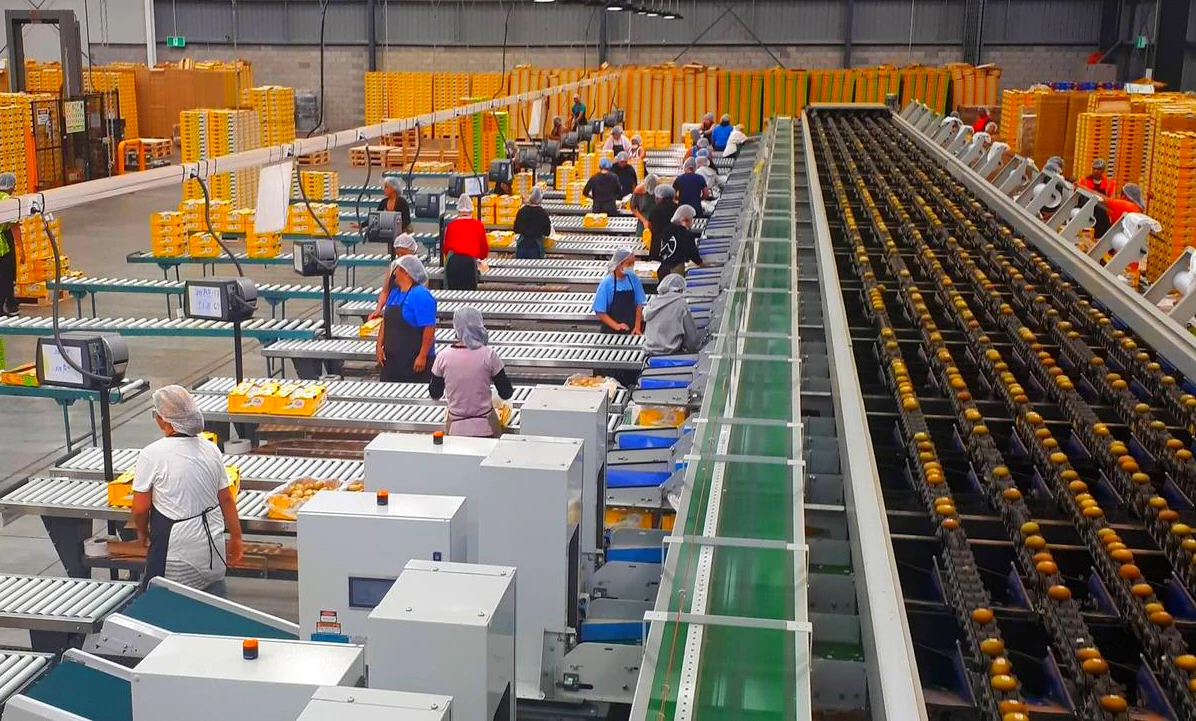
2. What factory and processing jobs can appear?
Job titles change by employer and industry. Searches may include:
- food-processing worker;
- production worker;
- packer or packhouse worker;
- machine operator or machine assistant;
- warehouse worker or storeperson;
- meat-processing worker;
- cleaner;
- horticulture or seasonal packhouse worker.
A job title by itself does not tell you whether the role can support an AEWV. Immigration New Zealand looks at the real duties, skill classification and employer approval.
3. How the AEWV process works
The process is employer-linked. A useful way to understand it is:
- The employer holds the correct accreditation.
- The employer completes the required job-check process for the vacancy.
- The employer selects a worker who meets the job and immigration requirements.
- The successful worker receives the official link needed to start the AEWV application.
- Immigration New Zealand assesses the worker’s application.
A message saying “visa sponsorship available” on Facebook or WhatsApp does not prove these steps have happened.
An employer can offer a job and support the AEWV process, but only Immigration New Zealand decides the visa application.
4. What skills or experience do you need?
Immigration New Zealand currently says an AEWV applicant generally needs to meet minimum skill requirements by showing either:
- 2 years or more of relevant work experience; or
- a qualification at New Zealand Qualifications and Credentials Framework level 4 or higher.
The experience or qualification should normally be related to the job field. A bachelor’s degree or higher can be treated differently under the current rules.
A CV by itself is not always enough evidence. Immigration New Zealand lists documents such as employment certificates, payslips, tax records and supported reference letters as examples of work-experience evidence.
National Occupation List changes
New Zealand is gradually moving parts of the AEWV system from ANZSCO to the National Occupation List (NOL). Immigration New Zealand added more NOL occupations for AEWV use in March 2026.
This means you should not rely on an old occupation code from a 2024 or 2025 article. Check the current classification used for your exact job.
English requirement
For AEWV jobs at skill levels 3 to 5, applicants normally need to show they can speak and understand English. Jobs at skill levels 1 and 2 do not generally have the same AEWV English-language requirement.
There are current exemptions and transitional rules for some workers. Check the official page for your exact occupation and application date.
5. What should factory work pay in 2026?
New Zealand’s adult minimum wage is NZD 23.95 per hour before tax from 1 April 2026. Starting-out and training minimum wage rates are NZD 19.16 for workers who legally fall into those categories.
Your actual job rate can be higher. Pay depends on shift, location, duties, experience and employer.
Check guaranteed weekly hours, base pay, overtime, night-shift rates, accommodation deductions, transport costs and any other lawful deductions. Do not compare jobs only by one headline hourly rate.
6. AEWV no longer uses one general median-wage threshold
From 10 March 2025, the old general AEWV median-wage requirement was removed. Employers still need to pay at least the legal minimum wage and the relevant market rate for the job.
This is important because older immigration articles may still tell you every AEWV job must meet one national median-wage figure. That information is outdated.
7. Seasonal factory and packhouse work
Some processing and packhouse jobs are seasonal. New Zealand now has seasonal AEWV options including the Global Workforce Seasonal Visa and Peak Seasonal Visa for specified jobs.
These programs do not cover every fruit-picking or packing vacancy. The occupation must fit the official seasonal rules and the employer must follow the correct job-check process.
8. Where to find real New Zealand vacancies
Use more than one source:
- SEEK New Zealand;
- Trade Me Jobs;
- New Zealand Government jobs;
- verified employer career pages;
- sector-specific recruitment sites.
Many jobs on general job boards are only for people who already have New Zealand work rights. Read the complete advertisement.
9. How to check whether an employer is accredited
Immigration New Zealand maintains an official accredited-employer list. Search by company name, trading name or New Zealand Business Number.
Check the Accredited Employer List →
Accreditation does not prove that a social-media advertisement using the company’s name is real. Independently contact the company if you are unsure.
10. What to check in the employment agreement
- correct employer name;
- job title and duties;
- work location;
- guaranteed weekly hours;
- hourly or annual pay;
- overtime and shift rules;
- leave entitlements;
- deductions;
- start and end dates if fixed term;
- termination and notice conditions.
Every New Zealand employee should have a written employment agreement.
11. Do not pay someone to sell you a New Zealand job
Immigration New Zealand rules place recruitment responsibilities on employers. Be careful if someone asks for a “job reservation fee”, “sponsorship fee” or payment simply to receive an offer.
Normal immigration costs can still include a visa fee, medical examination, police certificate, document translation or licensed immigration advice. Those are different from paying a recruiter to sell you employment.
Warning signs
- you never applied but receive an offer;
- there is no real interview or screening;
- the salary is far above normal rates for entry-level work;
- the recruiter uses only WhatsApp or Telegram;
- the email address does not match the employer;
- you are promised permanent residence automatically;
- you are told to send money immediately.
12. Can factory work lead to residence?
Some work can contribute to a future residence pathway, but an AEWV itself is not permanent residence.
New Zealand changed Skilled Migrant Category settings again from 24 August 2026, including occupation lists and qualification-point rules. If long-term residence matters to you, research that pathway separately instead of assuming every AEWV factory job leads to residence.
Frequently asked questions
Can I get an AEWV without a job offer?
No. The AEWV is an employer-linked visa and requires a current offer from an accredited employer.
How many hours must the offer provide?
At least 30 hours of work per week under the current AEWV rules.
Do I need IELTS?
Not everyone. English evidence generally applies to AEWV jobs at skill levels 3 to 5. The official rules list accepted evidence and exemptions.
Is NZD 23.95 the normal factory wage?
It is the adult legal minimum wage from 1 April 2026, not the standard wage for every factory role. Real market rates can be higher.
Does an accredited employer have to sponsor me?
No. Accreditation allows the employer to use the AEWV system when the rules are met. It does not mean every vacancy is open to overseas workers.
Official sources used for this guide
- Immigration New Zealand — AEWV
- Immigration New Zealand — Job check process
- Immigration New Zealand — NOL occupations for AEWV
- Employment New Zealand — 2026 minimum wage
Guide Travel note: Job-check rules, occupation classifications and immigration requirements can change. Verify the live vacancy and current Immigration New Zealand rules before paying for travel or documents.