

Canada winter jobs · Reviewed September 2026
Snow removal work returns every winter across Canada, but the jobs are not all the same. A person shovelling walkways, a public-works labourer and a heavy-equipment operator can have very different pay, training and hiring requirements. This guide helps you understand those differences before you apply.
Read this in the order you would make a real job decision
First choose the kind of snow job that matches you. Then compare wages, check the season, find a real employer and only after that look at the work-permit path.
2Compare real payCurrent Job Bank wage data by occupation.
3Find live jobsOfficial Job Bank and verified contractors.
4Check work authorizationWhy a seasonal job does not automatically mean visa sponsorship.
5Plan for winter costsClothing, transport, housing and insurance questions.
6Verify the offerScam checks and practical questions before you accept.
Snow removal in Canada is not one occupation
The phrase snow removal job can describe several kinds of work. This matters because the wage and training can change a lot.
1. Snow shoveller or grounds-maintenance labourer
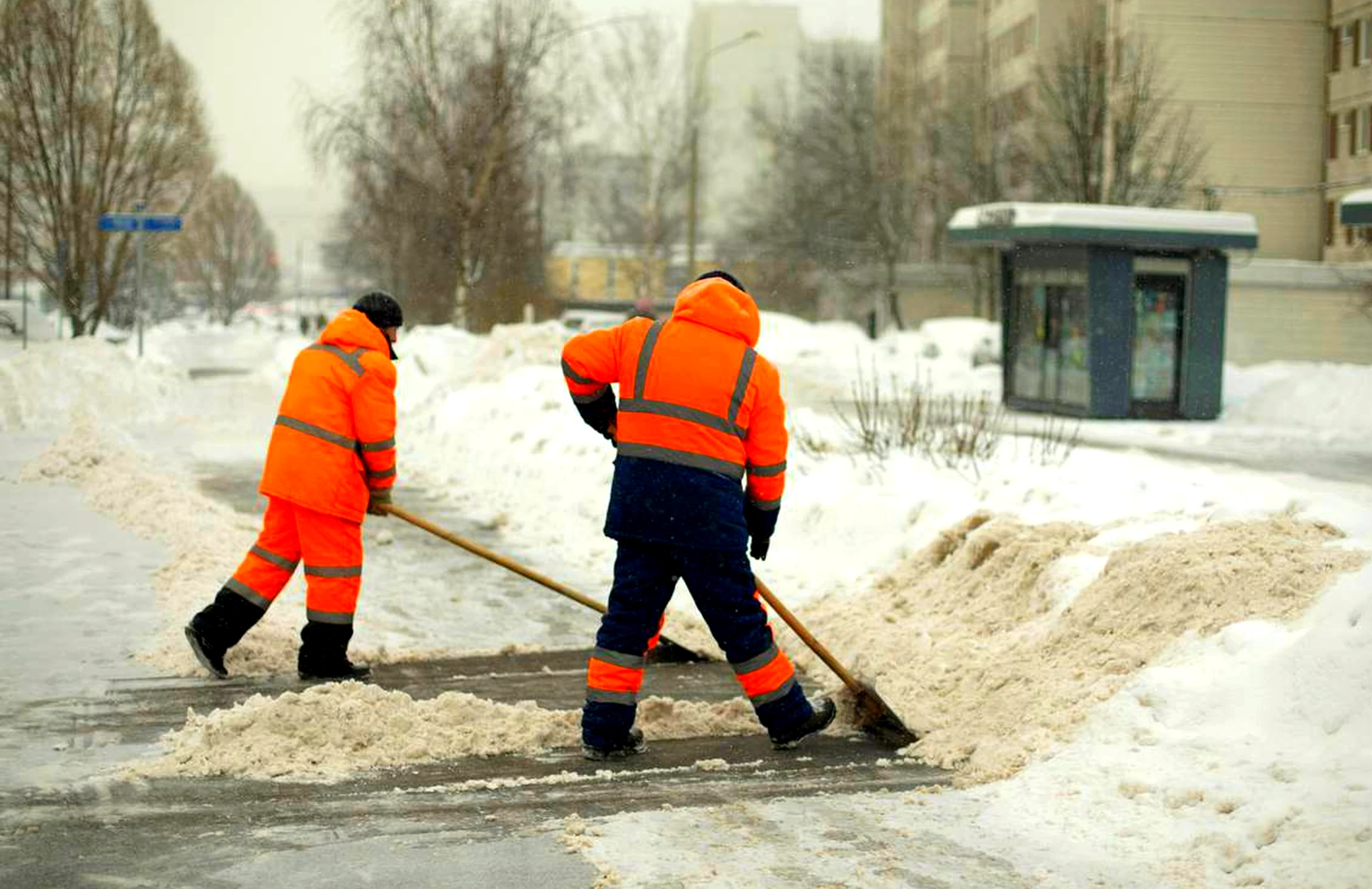
This is the most basic type of snow job. Work can include clearing sidewalks, steps, entrances and small parking areas with shovels, snow blowers or other small equipment.
Job Bank groups snow shovellers with landscaping and grounds-maintenance labourers under NOC 85121. The occupation usually needs short-term work experience and no formal education. The current national median shown by Job Bank is about CAD $20.75 per hour.
2. Seasonal public-works worker
Municipalities, government departments and private contractors hire workers to help maintain roads, sidewalks and public areas. Duties may include snow clearing, spreading salt or sand, loading materials, setting signs and other maintenance tasks.
Job Bank currently shows a national median around CAD $26.95 per hour for seasonal public-works workers. Requirements can be higher than simple snow shovelling, especially when vehicles or machinery are involved.
3. Snow-removal equipment operator
This is a more skilled job. Operators may use loaders, plow trucks, tractors or other heavy equipment. Job Bank groups many commercial snow-removal equipment roles with heavy equipment operators under NOC 73400.
The current national median shown by Job Bank is about CAD $32.50 per hour. This occupation can require post-secondary training, apprenticeship experience or substantial on-the-job training. A suitable driver’s licence and equipment experience can also be important.
A social post saying “snow removal job — $35/hour” may be talking about a trained heavy-equipment operator, not an entry-level person using a shovel. Always read the duties and requirements.
What can snow removal jobs pay?
Canada does not have one national snow-removal salary. Job Bank wage data changes by occupation and region.
- Snow shoveller / grounds maintenance: national median about CAD $20.75/hour.
- Seasonal public works: national median about CAD $26.95/hour.
- Commercial snow equipment operator: national median about CAD $32.50/hour.
- Toronto commercial snow equipment operator: Job Bank currently reports a regional median around CAD $35/hour.
These figures are labour-market estimates, not guaranteed job offers. Pay can be hourly, per shift, per call-out or based on the type of equipment you operate.
Ask how standby time works
Snow work is weather-dependent. Some employers pay workers only when they are called in. Others offer guaranteed hours, seasonal contracts or standby arrangements. Ask before accepting the job.
When does snow-removal hiring happen?
Hiring usually increases before winter and continues when employers need extra workers after heavy snowfall. The exact season is different across Canada.
- many employers start recruiting in fall;
- some add workers after the first major storms;
- jobs can continue through late winter or early spring in colder regions;
- contracts may be seasonal rather than year-round.
A short seasonal contract can be useful for someone who already has legal work rights in Canada. It should not automatically be presented as a long-term immigration path.
Where to find real snow-removal jobs
Use Job Bank first because it gives you live employer, wage and location information. Search several job titles because employers do not use one standard name.
Search terms that can help
- snow removal labourer;
- snow shoveller;
- winter maintenance worker;
- grounds maintenance labourer;
- snow plow operator;
- loader operator — snow removal;
- public works seasonal worker;
- winter road maintenance.
Also check municipal career pages, landscaping companies, property-maintenance companies and contractors that work with cities, commercial buildings and housing complexes.
Can a snow-removal job give you a Canadian work permit?
Sometimes an employer may recruit a foreign worker, but there is no special “snow removal visa.” If you do not already have an open work permit or another status that lets you work, you may need an employer-specific work permit.
For many employer-specific work permits, the employer first needs a Labour Market Impact Assessment, unless the job qualifies for an LMIA exemption.
Job Bank — Temporary Foreign Workers
This section shows jobs from employers that have obtained or applied for an LMIA. A requested LMIA is not the same as an approved LMIA.
Because many snow jobs are seasonal and lower-skilled, employers may prefer people who already have Canadian work rights. Do not assume that every winter vacancy will support an overseas work-permit application.
Plan for winter costs before you accept
Snow work can come with costs that do not appear in the headline wage.
- Does the employer provide winter boots, reflective clothing or safety equipment?
- Are you expected to own a vehicle?
- Is transport provided during overnight storms?
- Who pays fuel if you use your own vehicle?
- Are you paid for travel between job sites?
- Are call-out hours guaranteed?
- Is overtime paid after a certain number of hours?
- Does the job include benefits such as health, dental or pension coverage?
- Is temporary housing available, or do you arrange it yourself?
Winter clothing matters. If the employer does not provide suitable protective gear, budget for insulated boots, gloves, layers and weather-resistant outerwear. For machine operators, ask what employer-owned safety equipment is provided.
What makes a stronger applicant?
The best experience depends on the job type.
- Manual roles: outdoor work, landscaping, construction labour, physical fitness and reliable attendance.
- Public works: road maintenance, municipal work, signage, material handling and safe vehicle use.
- Equipment roles: loaders, plows, tractors, heavy equipment, commercial licences and mechanical awareness.
For all three, employers value people who can work early mornings, overnight shifts and irregular hours when storms arrive.
Safety and scam checks
Winter work can be legitimate, but fake recruiters may use seasonal urgency to pressure applicants.
Do not send money because someone says “the snow season starts next week” or “only three LMIA spots remain.” Verify the employer and immigration process first.
- Confirm the company exists and has real contact details.
- Check whether the vacancy also appears on the employer’s website.
- Ask for a written description of duties and pay.
- Do not buy an LMIA.
- Do not accept a guaranteed work-permit promise.
- Do not travel to work in Canada before you have the legal right to work.
Simple application plan
- Choose the type of snow job that matches your actual experience.
- Prepare a short CV focused on outdoor, driving or equipment work.
- Search Job Bank and verified local employers.
- Check whether the job is seasonal or year-round.
- Compare hourly pay with guaranteed hours and winter costs.
- If you are overseas, ask whether the employer can legally recruit a foreign worker.
- Use the official IRCC process for any required work permit.
Frequently asked questions
Can a beginner get a snow-removal job?
Entry-level manual jobs can require only short-term experience or on-the-job training. Equipment-operator jobs normally need much more experience and training.
Is snow removal a permanent job?
Many roles are seasonal, although public-works, property-maintenance and heavy-equipment employees may have other duties during the rest of the year.
How much do snow-removal workers earn?
It depends on the work. Current Job Bank medians range from about CAD $20.75/hour for snow shoveller-type grounds work to about CAD $32.50/hour for commercial heavy-equipment snow-removal roles.
Can I apply from outside Canada?
You can apply where an employer accepts international candidates, but you cannot start work until you have the correct authorization. Many seasonal employers hire people who already have Canadian work rights.
Does a winter job lead to permanent residence?
Not automatically. Permanent-residence eligibility depends on the immigration program, occupation, skill level, language, experience, province and other requirements. A short snow-removal contract by itself is not a permanent-residence guarantee.
Official sources used for this guide
- Job Bank — Snow shoveller / grounds maintenance
- Job Bank — Snow removal equipment operator / public works
- Job Bank — Commercial snow removal equipment operator
- Job Bank — Temporary Foreign Workers
- IRCC — Employer-specific work permits
Guide Travel note: Winter hiring, wages and work-permit rules can change. Check the live vacancy and current government pages before spending money on travel, equipment or immigration services.