

Australia visa guide · Reviewed September 2026
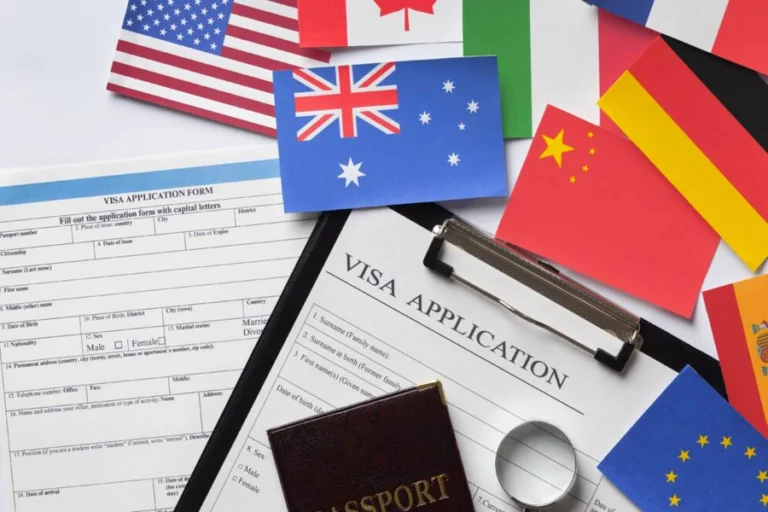
Australia’s Working Holiday Maker program lets eligible young adults travel and work for up to 12 months, but there are two different visas: subclass 417 and subclass 462. Your passport decides which one may apply, and some 462 countries also have annual caps or a ballot.
Start with your passport, then check the work rules
This visa is simple only after you know which subclass applies to you. Follow the steps below in order.
2Cost and moneyVisa charge, travel funds and health insurance.
3Work rulesSame-employer limit and what work you can do.
4Second or third visaSpecified work and important exceptions.
5Find real jobsWhere to search without buying a placement.
6Before you bookInsurance, housing and scam checks.
417 vs 462: what is the difference?
Australia’s Working Holiday Maker program covers more than 40 partner countries and jurisdictions. The two visa subclasses have the same general idea—travel in Australia and do short-term work to help fund the trip—but eligibility rules are different.
Subclass 417
The Working Holiday visa (subclass 417) is for eligible passport holders. Home Affairs says applicants are generally 18 to 30 years old, although the upper age limit is 35 for some countries.
Subclass 462
The Work and Holiday visa (subclass 462) is for a different group of partner countries. Applicants are generally 18 to 30 years old inclusive, and extra education or government-support requirements can apply depending on the passport country.
Your passport and personal eligibility decide whether 417 or 462 is available. A farm, hotel or warehouse job cannot make you eligible for a Working Holiday Maker visa if your passport is not part of the program.
Country caps and ballots can change during the year
First subclass 462 visas are subject to annual limits for many countries. Home Affairs can show a country as open, paused, closed or managed through a ballot.
For the 2026–2027 program year, China, India and Vietnam use a pre-application ballot for first subclass 462 visas. Other countries may have caps that pause when demand is high.
A page saying your country was open last month may already be outdated. Check the official status on the day you plan to apply.
Visa cost and money to plan
The current first Working Holiday or Work and Holiday visa application charge is AUD 840. Visa prices can change, so use Home Affairs’ pricing estimator before payment.
For later visas, Home Affairs currently lists AUD 1,000 for second and third 417/462 applications, with limited concessions applying to some eligible applicants.
Money for the first weeks
Home Affairs expects applicants to have enough money to support themselves and leave Australia at the end of their stay. For subclass 417 guidance, the department says this is usually around AUD 5,000 for the initial stay, plus money for an onward or return fare.
- flight;
- temporary accommodation;
- rental deposit;
- food and local transport;
- phone and internet;
- health insurance;
- work clothing or shoes;
- driver-licence or vehicle costs if your work needs them;
- emergency money while looking for a job.
Health insurance
Home Affairs strongly recommends adequate health insurance. Some passport holders may have access to a reciprocal healthcare agreement, but this does not apply to everyone and may not cover every cost.
Compare overseas visitor health insurance based on the care you actually need, not only the cheapest premium.
What work can you do?
Working Holiday Maker visa holders can generally work in any occupation or industry. The visa is designed mainly for an extended holiday, with short-term work helping you pay for the trip.
The important restriction is visa condition 8547: you can usually work for the same employer for no more than six months unless an exemption applies or Home Affairs gives permission.
Current exemptions
Home Affairs currently allows some WHM holders to work longer than six months with the same employer without asking permission in specified situations, including:
- plant and animal cultivation anywhere in Australia;
- critical sectors such as agriculture and food processing;
- health, aged care and disability care;
- childcare;
- tourism and hospitality;
- different locations for the same employer when the conditions are met.
Rules can change while the government reviews WHM settings, so check condition 8547 before accepting a long contract.
Study limit
Visa condition 8548 generally limits study or training to four months on each WHM visa. If the main reason for your stay is study, a Student visa may be more appropriate.
How a second or third Working Holiday visa works
Some WHM holders can apply for a second or third visa after completing required specified work. The exact work, location and time requirements depend on the subclass.
Typical specified-work periods
- Second visa: generally 3 months of eligible specified work.
- Third visa: generally 6 months of eligible specified work completed under the relevant previous visa.
Specified work can include eligible work in areas such as plant and animal cultivation, construction, tourism and hospitality in specified regions, bushfire recovery and other categories defined by Home Affairs.
The job must meet the Home Affairs definition for your subclass and, where required, be done in an eligible area. Keep payslips, employer details and other evidence.
Important UK passport exception
UK passport holders who apply under the current arrangement can access second and third subclass 417 visas without meeting the normal specified-work requirement when the relevant rules apply.
Can you use a Working Holiday visa for farm work?
Yes. Many WHM holders work in horticulture, picking, packing, dairy, livestock and other agricultural jobs. Australia also treats plant and animal cultivation as an important area under current same-employer exemptions.
But you should still check the employer, wage and award. Having a visa with work rights does not make every farm job fair or legitimate.
Where to find real jobs
Search normal Australian job sources instead of paying someone for a “Working Holiday job package.”
Other established sources include SEEK, employer career pages, local tourism businesses, hospitality groups, farms, labour-hire companies and regional job boards.
Before accepting a job
- confirm the legal employer name;
- ask for the hourly or salary rate in writing;
- check whether an award applies;
- ask whether accommodation is optional or required;
- check deductions for transport or housing;
- keep payslips and your employment records;
- check that you will receive the same basic workplace protections as other workers.
Your rights at work
Temporary visa holders have workplace rights in Australia. Visa status does not allow an employer to underpay you, keep your passport or ignore workplace law.
Use the Fair Work Ombudsman to check minimum pay, awards, payslips and workplace rights.
Before you book your flight
- Check your passport eligibility. Confirm whether 417 or 462 applies.
- Check country-cap or ballot status. Especially for a first 462 visa.
- Check the current visa price. Do not use an old fee screenshot.
- Prepare enough money. Do not expect a job on the first day.
- Arrange health cover. Understand what is and is not covered.
- Wait for the visa grant. Home Affairs warns applicants not to arrange travel before written approval.
- Search jobs safely. Avoid anyone selling guaranteed farm or hospitality work.
Frequently asked questions
Is the Working Holiday visa a work visa?
It gives work rights, but the program is designed for an extended holiday with short-term work. Home Affairs says that if the main purpose of your stay is work, you should consider whether another work visa is more suitable.
Can I stay with one employer for a full year?
Usually no. Condition 8547 generally limits work with one employer to six months, but current exemptions and permission processes can allow longer work in some situations.
Can I study?
Yes, usually for up to four months on each WHM visa.
Can I get a second visa after farm work?
Possibly. You must meet the specified-work rules for your subclass. The work type, location and period matter.
Does every country have the same 462 availability?
No. Some countries have annual caps, applications can be paused, and China, India and Vietnam use a ballot for first subclass 462 applications in the current program settings.
Official sources used for this guide
- Home Affairs — Working Holiday Maker program
- Home Affairs — Working Holiday visa 417
- Home Affairs — Work and Holiday visa 462
- Home Affairs — Country cap status
- Home Affairs — WHM work conditions and specified work
- Fair Work Ombudsman
Guide Travel note: Country eligibility, caps, fees and processing rules can change. Always check Home Affairs immediately before applying or paying for travel.